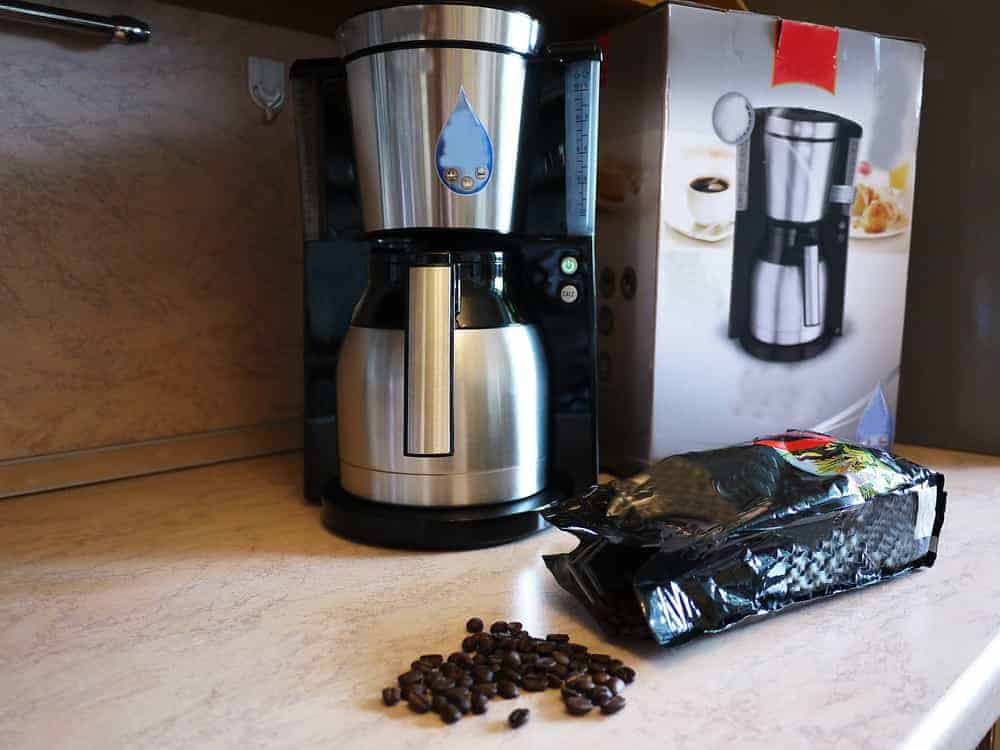
How to Clean and Descale a Drip Coffee Maker
Cleaning a drip coffee maker and descaling it are different jobs. Cleaning removes coffee oils, stains and residue from the carafe and brew basket. Descaling dissolves mineral deposits inside the water-heating path. Doing both, according to your brewer’s manual, helps preserve water flow and consistent brewing.
Cleaning versus descaling: what’s the difference?
Coffee oils can cling to filters, carafes and accessible brew parts and eventually affect flavor. Limescale comes from dissolved minerals in water, especially in hard-water areas. A cleaner for coffee residue is not necessarily a descaler, and a descaler is not a substitute for washing a dirty carafe. The Moccamaster maintenance guidance makes that distinction explicitly.
What to clean after regular brewing
- Let the machine cool. Turn it off and unplug it before removing accessible pieces.
- Dispose of spent grounds and the filter. Do not leave a damp bed in the basket longer than necessary.
- Wash the removable brew basket and carafe. Follow the maker’s instructions for hand-washing or dishwasher use. Thermal carafes and glass carafes often have different care requirements.
- Rinse completely. Avoid leaving soap or cleaner residue where brewed coffee will pass.
- Wipe the exterior. Use a damp soft cloth; do not submerge the brewer or pour cleaning liquid into ventilation openings.
- Dry before reassembly. Check that the filter basket is correctly seated and no grounds remain around the drain.
Most brewers benefit from a quick wash after each use. If a thermal carafe retains coffee odors, follow the manufacturer’s approved soak or cleaner instructions rather than treating its interior as identical to a glass jug.
How to descale a drip coffee maker safely
Check the specific manual first. Manufacturers use different descaling products, solution amounts and built-in cycles. Some machines have a dedicated DESCALE program, while others use an ordinary brewing cycle. Do not invent a universal vinegar recipe or add concentrated descaler without checking its label.
- Choose the right descaler. Use a product specified as compatible with your brewer and follow both the product and appliance instructions.
- Empty the basket. Remove grounds and filter; prepare the reservoir as the machine manual directs.
- Mix the descaling solution. Measure exactly as instructed. If the descaler requires premixing, dissolve it outside the machine before filling the reservoir.
- Run the designated cycle. Keep the carafe in place and follow any pause or repeat instructions for the model.
- Dispose of the solution. Do not use the spent descaling liquid for coffee or food.
- Flush with fresh water. Perform the rinse cycles required by the machine or descaler maker. For example, Moccamaster’s US descaling article recommends three fresh-water rinse cycles with its demonstrated procedure.
Moccamaster generally recommends descaling around every 100 brew cycles, or more often with hard water. Bonavita’s one-touch brewer FAQ recommends at least every 100 uses, with more frequent descaling in hard-water conditions. These are examples, not a rule that overrides your own model’s manual. Moccamaster’s descaling steps and Bonavita’s FAQ give current manufacturer-specific guidance.
Should you use vinegar in a coffee maker?
Do not assume vinegar is suitable simply because it is a familiar household product. Moccamaster and Bonavita both discourage it for their brewers: it may not effectively remove scale and can leave an odor that is difficult to rinse away. Follow your appliance maker’s instructions rather than a generalized cleaning trick.
Signs your brewer may need descaling
- Water moves through the brewer noticeably more slowly than before.
- Brewing takes longer, even with the same volume and coffee dose.
- The machine makes more steam or unusual noise, where the manual identifies scale as a possible cause.
- A dedicated cleaning or descaling indicator illuminates.
These symptoms are not conclusive. A mis-seated filter, clogged showerhead, incorrectly fitted basket or equipment fault can create similar problems. If the machine is leaking, overheating, or failing electrically, stop using it and consult the manufacturer or a qualified repair service.
How water quality changes maintenance needs
Hard water can leave scale in heating pathways more quickly. Appropriate filtration may reduce unwanted tastes and some minerals, but not every pitcher filter removes hardness minerals. Using distilled or extremely low-mineral water is not always recommended for flavor or for machines with sensors. Our brewing temperature guide explains why consistent heating matters, while the drip coffee-maker comparison explains equipment differences.
A low-effort maintenance routine
- After use: Discard the filter and grounds; wash the basket and carafe.
- Weekly, or as needed: Inspect the water reservoir, lid, spray area and external seals for residue; wipe accessible surfaces.
- Per the manual: Run the recommended cleaner or descaler at the stated cycle interval and record the date.
- After descaling: Complete all freshwater rinses before making another drink.
Bottom line
Wash coffee-contact surfaces often and descale the internal water path when your model calls for it. The most useful upgrade is not an elaborate cleaning routine, but following the correct instructions for the brewer you own.
Sources: Moccamaster maintenance FAQ; Bonavita brewer FAQ. Read your exact machine’s manual before any cleaning procedure.