How to Clean a Burr Coffee Grinder and Prevent Clogs
A burr grinder usually needs a dry brush-out, not a full teardown. Unplug the machine, remove loose coffee, clean only the parts its manual says are removable, and check the grounds chute for packed fines. This practical routine can reduce clogs and stale coffee residue without risking water damage to the burrs.
Before you clean: identify your grinder
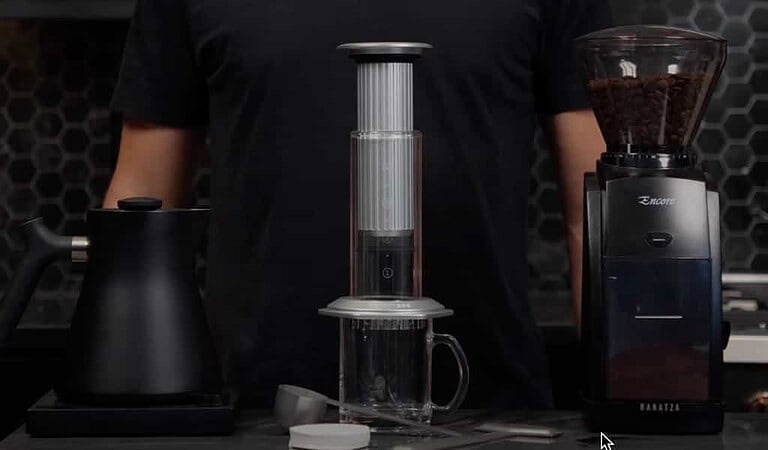
Find the model number and read its care instructions. Burr grinders differ in how their upper burr, adjustment collar and hopper release. A Baratza Encore, for example, has a removable ring burr, but that does not mean another grinder has the same assembly. Never force a part that does not lift or turn as the manual describes.
Gather a clean, dry grinder brush, a soft cloth, and a container for removed beans. A small vacuum with an appropriate attachment may help capture loose grounds around accessible openings; keep its nozzle away from fragile parts and follow the maker’s guidance. Avoid water inside the grinding chamber, abrasive tools, and improvised cleaning materials.
How to clean a burr coffee grinder, step by step
- Empty the hopper. Grind out the remaining beans while the machine is operating normally. Switch it off, unplug it, and let moving parts stop before opening anything.
- Remove the bean hopper and grounds container. Follow the exact release direction shown in your manual. Note the original grind setting so you can return to it.
- Open only approved removable parts. If the model allows removal of an upper ring burr, lift it according to its instructions. Do not remove the motor-driven lower burr or disassemble the housing unless the maker specifically directs you to.
- Brush away visible residue. Gently brush coffee particles from the accessible burr surfaces, chamber and exit chute. Pay attention to the opening where ground coffee leaves the machine; this is a common place for oily fines to collect.
- Wash washable parts separately. Many manufacturers permit hand-washing the empty hopper, lid or grounds bin, but not the burrs. Dry washed components completely before reassembly; check your specific manual first.
- Reassemble and test. Refit seals, burrs and hopper in their intended orientation, then run a small amount of coffee through at a normal setting. If the machine strains or makes an unusual noise, stop and consult its troubleshooting guide.
Important: Baratza’s Encore instructions explicitly warn against wetting the burrs because they can rust. They also caution against putting the hopper or grounds container in a dishwasher. These are model-specific instructions, not permission to wash other grinders the same way. Read the Baratza Encore operations manual.
How often should you clean it?
The schedule depends on how frequently you grind, roast oiliness and your machine’s design. For a regularly used Baratza Encore, the manual suggests brushing its burrs about once per month. More frequent attention may help with dark, oily or flavored beans because residue can accumulate in the grinding path. A light brush-out of the accessible chute and bin can be done whenever buildup becomes visible.
There is no universal calendar that suits every home grinder. If output slows, clumps appear, or grounds remain trapped, inspect the chute sooner instead of waiting for a fixed cleaning date.
What should you never put through a grinder?
Do not use rice as a substitute for grinder-cleaning tablets. Rice hardness, dust and starch can damage components or create residue. Baratza advises using only cleaning tablets specifically intended for grinders when the manual permits them. Also avoid soap, water or household solvents in the burr chamber. Where tablets are recommended, follow the tablet label and the grinder manufacturer’s instructions, including any purge coffee afterward.
Signs the grinder may be clogged
- The motor runs, but very little ground coffee emerges.
- Output falls even though the hopper has beans and the grind setting has not changed.
- Compacted grounds appear at the chute or inside the grounds container opening.
- The grinder sounds strained or stops unexpectedly.
Stop the grinder and unplug it before investigating. A blockage is not proof that the motor has failed. Clear only accessible coffee buildup with maker-approved tools. If you cannot reach the blockage without opening the housing, consult a repair professional or the brand’s support instructions rather than forcing it.
Does cleaning improve the flavor of coffee?
Old grounds and coffee oils left in a grinder can affect subsequent brews, particularly when switching beans or grind settings. Cleaning removes some of that residue, but it will not compensate for incorrect dosing, grind size or old beans. If coffee is still weak or harsh after maintenance, review our coffee grind-size guide and coffee-to-water ratio guide.
Quick troubleshooting checklist
- Grinds coming out slowly? Check the chute and upper chamber for coffee packed into the exit path.
- Grinder won’t start? Confirm the hopper and safety interlocks are correctly seated; check the manual before assuming an electrical problem.
- Grind suddenly inconsistent? Check for a loose or incorrectly refitted ring burr and return to a known setting.
- Oily residue? Brush more frequently and use approved cleaning tablets only if recommended for that model.
Bottom line
A reliable routine is simple: remove beans, disconnect power, brush the approved areas, clean the chute, dry the washable parts and reassemble carefully. Keep the exact manual close by and avoid treating all burr grinders as mechanically identical. If you’re choosing equipment as well as maintaining it, the burr grinder comparison explains useful differences in grind adjustment, cleaning and workflow.
Sources: Baratza Encore user manual, care and cleaning; Baratza Encore manufacturer product information. Always prioritize your own model’s manual.