What Is French Roast Coffee? A Practical Guide
What is French roast coffee? French roast refers to a very dark roast style, not coffee grown in France. It often tastes roasty, smoky or bittersweet rather than bright and fruity. A less tangy taste does not prove a lower measured acidity or guarantee better digestive comfort. Our acidic versus bitter coffee guide explains the difference between perceived flavor and chemical acidity.
French roast appeals to people who enjoy an intense roasted flavor. The beans and roasting process affect the flavor, but the taste and how the coffee feels to an individual vary from one brew to another.
To make a French roast, green coffee beans are roasted beyond medium-roast levels until they become very dark. Longer roasting changes their aroma, density and flavor compounds. The finished drink’s acidity varies with the beans and brewing recipe; a dark roast is not a standardized low-acid product.
French roast is worth exploring if you enjoy bold, distinctly roasted flavors. Compare beans and preparation methods rather than expecting all French-roast coffees to have the same sweetness or acidity.
French Roast Coffee Explained
French roast coffee is named for the way it is roasted. The beans are roasted until they are almost black, which gives them their characteristic bitter taste. French roast coffee is popular among coffee drinkers who enjoy robust and rich-tasting coffee.

Characteristics of French Roast Coffee Beans
French roast refers to roasting intensity rather than bean origin or a special coffee species. Darker roasting generally produces a deep brown surface, sometimes with visible oils, and pronounced roasted flavors. The National Coffee Association’s roast overview explains how roast names and color categories can vary between roasters.
Dark color: French roast beans are roasted to a very dark, almost black color. This is achieved through a more prolonged and intense roasting process than lighter roasts. The beans are left in the roaster for a more extended time, which allows them to reach higher temperatures and develop a deeper, more pronounced flavor.
Bold flavor: French roast beans have a bold, robust flavor that is often described as being rich and full-bodied. This is due to the longer roasting process, which brings out the beans’ natural flavors. The beans are roasted until they reach a point where the sugars in the beans have caramelized, which gives French roast its characteristic dark color and bold flavor.
Roast-driven flavor: French roast often tastes less bright and more roasted than lighter styles. That sensory impression is not proof of lower measured acidity or better digestive tolerance.
French roast often has a bold, roast-forward taste and may seem less bright than lighter beans. The sheen sometimes visible on very dark roasted beans comes from oils migrating to the surface, but it does not mean a brewed cup will automatically be creamy or lower in acidity.
Aromatic: French roast beans have a robust and aromatic fragrance that is often described as smoky or earthy. This is due to the roasting process, which causes the beans to release oils and other compounds that contribute to their aroma. The aromatic nature of French roast is why it is such a popular choice for coffee lovers who appreciate this type of coffee’s rich, complex flavors.
How Much Caffeine Does French Roast Coffee Have?
It’s important to note that the caffeine content of French roast coffee can vary significantly depending on the specific beans and roast level used. For example, beans from specific regions or grown at high altitudes may contain more caffeine than others.
Roast color alone does not reliably determine caffeine per cup. Bean variety, coffee dose, how the coffee is measured and serving size usually matter more than assuming light roasts always contain more caffeine.
Espresso is concentrated because it uses a small beverage volume, but that does not mean a single espresso always contains more total caffeine than a larger drip coffee. Compare the coffee dose, bean type and serving size rather than assuming one method is always highest.
French roast does not have a fixed caffeine amount per cup. Check a brand’s nutrition details where available, and account for grind dose and drink size. See our coffee roast and caffeine guide for more context.
What Does French Roast Coffee Taste Like?
If you’re a fan of bold, robust flavors, you’ll love French roast coffee’s taste. Its full-bodied flavor is often rich and complex, with hints of smokiness and earthiness. Some people also detect notes of dark chocolate and caramel in the flavor of French roast, which adds to its depth and complexity.
French roast may have a smoky or bittersweet profile. A smooth mouthfeel is not guaranteed by the roast label, and oil on the bean surface does not establish that a beverage will have a creamy texture. Brewing method and filter choice influence body.
French roast typically emphasizes darker roasted flavors such as smoke, bittersweet chocolate and toast. These are common tasting descriptions, not guaranteed notes in every bag; the bean origin and brewing method still influence the cup. If you prefer more of the bean’s fruit or floral character, compare our light, medium and dark roast guide.
How is French Roast Coffee Roasted?
French roast is produced by continuing the roasting process to a very dark development level. How long this takes depends on the roasting machine, batch size and temperature profile. The roast creates strong roasted flavors; it does not guarantee low acidity in the brewed cup.
The first step in the roasting process is selecting high-quality beans suitable for French roasting. These beans are then placed in the roaster and heated to around 400-450°F. The beans are left in the roaster for a longer time than is used for lighter roasts, allowing them to reach higher temperatures and develop a deeper, more pronounced flavor.
As the beans are roasted, they will undergo several changes in color, shape, and size. At first, the beans will be green and start to turn yellow as they heat up. As the beans continue to roast, they will start to turn brown and emit a characteristic “first crack,” which is the sound of the beans expanding as they release moisture and gases.
As the beans continue to roast, they will reach a point where the sugars in the beans have caramelized, giving them their characteristic dark color and bold flavor. The beans are then removed from the roaster and allowed to cool before they are ground and brewed to create a cup of French roast coffee.
It’s important to note that the roasting process for French roast is exact and requires a skilled roaster to ensure that the beans are roasted to perfection. The roaster must carefully monitor the temperature and timing of the roast to ensure that the beans are roasted to the desired level of darkness without becoming burnt or over-roasted.
The defining feature of French roast is its very dark development and prominent roasted flavor. Roasters control heat and timing carefully, while the perceived acidity of the brewed coffee still depends on the beans, dose and extraction.

French Roast Compared with Other Dark Roasts
French and dark roast are both types of coffee roasted to a very dark color. However, some differences between the two are worth noting.
French roast is itself a very dark roast style. The label ‘dark roast’ is a broad category, while ‘French roast’ describes one of the darker points within it. Labels can vary across roasters, so you cannot assume that a generic dark roast is always darker than French roast.
French roast usually emphasizes very dark roasting notes, while other products labeled dark roast can be slightly lighter or similarly dark. There is no standardized difference in smoothness, acidity or body between those two labels.
French roast is a type of dark roast, not a separate category with predictable acidity or texture. Compare the tasting notes and roast information on individual bags to find a coffee that suits your preferences.
Because French roast is a dark roast, the most useful comparison is with a specific dark-roast product rather than treating the labels as competing roast categories.
French roast sits within the dark-roast range, usually emphasizing roasted, smoky or bittersweet notes. Some producers use the label differently, so compare descriptions rather than assuming a fixed level of darkness.
There is no universal rule that coffee labeled simply ‘dark roast’ is roasted beyond French roast. Very dark roast styles develop pronounced roast flavors, sometimes around or beyond the second crack, but the exact profile depends on the roaster.
French roast may taste smoky or bittersweet, but so can other dark roasts. Specific flavor notes depend on the beans and the producer’s roast profile; some may emphasize chocolate-like tones, while others taste more charred.
French roast is one expression of dark-roast coffee. Whether it tastes smoky, harsh, smooth or bittersweet depends on the beans, roast development and brewing recipe, not a universal acidity ranking.

Brewing French Roast Coffee
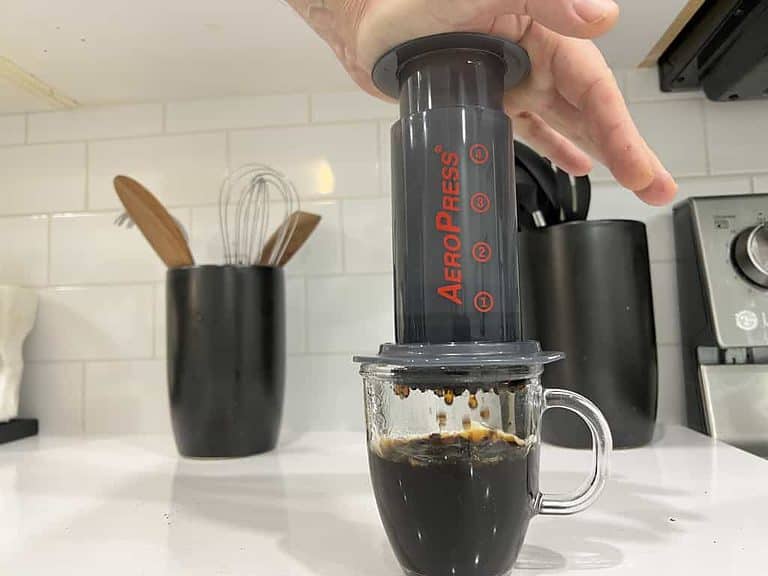
French roast can be brewed using the same major methods as other roasts, including drip, pour-over and French press. Start with a suitable grind and ratio for your brewing equipment, then adjust if the flavor tastes too bitter or weak.
French press is one option for French roast, but there is no rule that this roast needs longer steeping than a lighter roast. Begin with a coarse grind and a typical French press steep time, then adjust based on flavor. Our French press steep-time guide explains the variables.
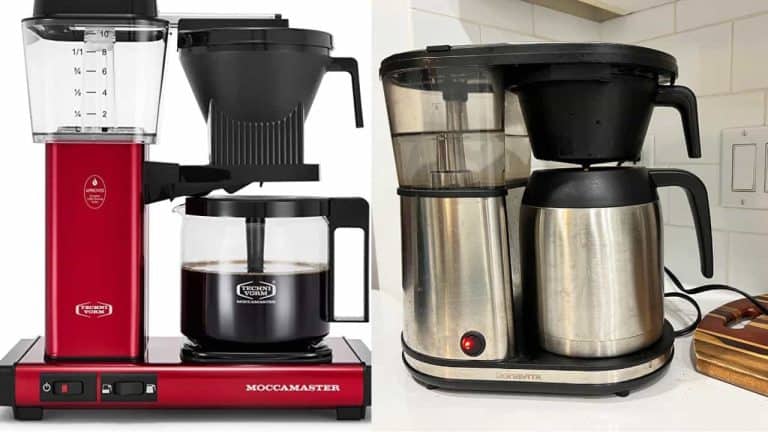
Another good brewing method for French roast is a drip coffee maker. Drip coffee makers are convenient and easy to use, and they can produce a tasty cup of French roast if you use the right beans and brewing settings. To brew French roast in a drip coffee maker, use a medium to dark roast bean and set the brew strength to “strong” or “bold”.
Here are a few tips for achieving the perfect cup of French roast:
Use fresh, high-quality beans: French roast is a bold, robust coffee, so you must use the best beans you can find. Look for roasted beans for French roast or described as full-bodied and smooth.
Match the grind to the brewing device rather than choosing a coarser grind simply because the beans are French roasted. French press often uses a coarse grind; drip and pour-over generally use medium settings. Our grind size guide explains how to adjust.
Use the proper water temperature: The ideal temperature for brewing French roast is around 200°F. Water that is too hot can extract bitter flavors from the beans, while water that is too cold can result in a weak, under-extracted coffee.
French roast does not inherently require a longer extraction time than lighter roasts. Start with the normal brew time for your method and adjust grind size, dose or contact time only after tasting.
Use the right amount of coffee: The amount of coffee you use will depend on the size of your brewing device and your preference. Generally, a good starting point is to use about 1-2 tablespoons of coarsely ground beans per 6 ounces of water. You can adjust the amount up or down to suit your taste. It’s essential to follow the Coffee Golden Rule. With these tips in mind, you should be able to brew a delicious cup of French roast coffee using your preferred brewing method. So, don’t be afraid to experiment and find the perfect brewing method.
Frequently Asked Questions
Is French roast good for those sensitive to acid in their coffee?
French roast is a very dark roast, but the label does not guarantee low measured acidity or relief from digestive discomfort. If acidity concerns you, compare individual coffees and brewing methods rather than relying on roast name alone.
Is French roast coffee bitter?
French roast often has pronounced smoky or bittersweet notes from dark roasting. If it tastes harsh, try adjusting grind size, dose, or brewing time; changes in extraction can affect perceived bitterness.
Which coffee roast is the strongest?
Stronger can mean a more intense taste or more caffeine, and these are different. Dark roasting produces a bold flavor but does not guarantee more caffeine. Bean type, dose and serving size are important for caffeine content.
Final Thoughts: Is French Roast Right for You?
As a coffee lover, French roast is one of my favorite types of coffee. Its bold, robust flavor and smooth, creamy texture make it the perfect choice for those who appreciate a strong, full-bodied coffee experience.
French roast is a very dark style rather than a special type of bean or a geographic origin. Its roast-driven character can be smoky, bitter or chocolate-like, while its perceived acidity depends on the specific beans and brewing recipe.
Choose French roast when you want a strong roasted flavor and a darker taste profile. Body and smoothness also depend on the coffee beans, grind and brewing process, so it is worth comparing multiple products rather than expecting every French roast to taste the same.
Brewing French roast: Because very dark roasts tend to be more soluble and taste more roasted, start with a consistent dose and avoid assuming you need boiling water or the finest grind. Experiment with slightly cooler brewing water or a coarser setting if your cup tastes overly harsh; this is a taste adjustment, not a universal requirement. Compare roast levels before buying several bags.
French roast is worth considering if you enjoy pronounced roasted flavors. For a broader comparison, explore our light, medium and dark roast guide, and compare several bags before settling on your favorite.