Why Does My Coffee Taste Weak or Watery? Fixes That Work
If your coffee tastes weak or watery, check the coffee-to-water ratio first, then the grind and brew contact time. A cup can be weak because it is too diluted or because the water did not extract enough flavor from the grounds. Those problems can taste similar, but the best fix depends on which one you’re facing.
Weak coffee versus under-extracted coffee
Low strength means the finished drink contains relatively little dissolved coffee material for its volume. This might happen because you used too little ground coffee or added too much water. Under-extraction means the water extracted an insufficient portion of the grounds’ soluble compounds, which can occur when the grind is too coarse or contact time too short. A cup can suffer from either problem—or both.
The National Coffee Association’s drip brewing guidance identifies a too-coarse grind as one possible cause of flat, watery coffee. Start with the brewing variables rather than buying new equipment immediately.
Start with a measurable coffee-to-water ratio
For ordinary filter coffee, 1:16 is a useful starting ratio by weight: for every 1 g of dry coffee, use 16 g of brewing water. This is a practical baseline, not a universal standard. Try 18 g coffee to 288 g water for a smaller batch, or 30 g coffee to 480 g water for a larger one. Note that the finished beverage weighs less than the water poured in because grounds retain some liquid.
| Coffee grounds | Brew water (1:16) | Useful for |
|---|---|---|
| 15 g | 240 g | Small pour-over |
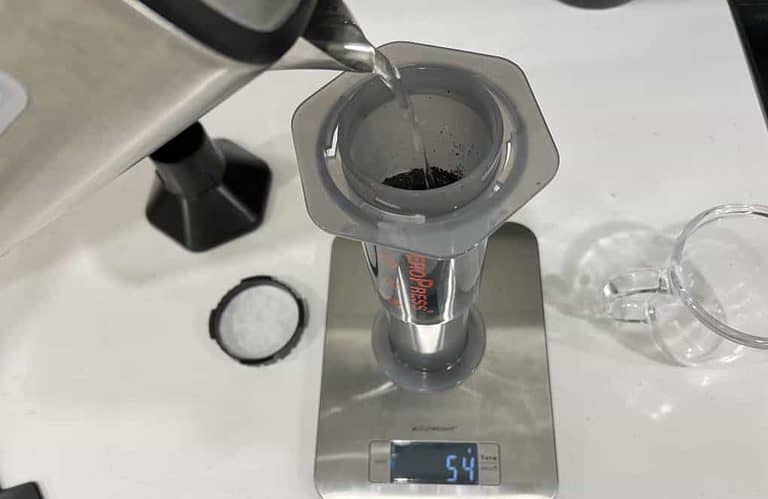
| 20 g | 320 g | Individual brewer |
| 30 g | 480 g | Larger pour-over or batch |
| 60 g | 960 g | Near-liter drip batch |
Use a scale when possible: measuring coffee by spoon can vary with grind size and bean density. For a broader discussion of different ratios, see our coffee-to-water ratio guide.
Six common reasons coffee tastes watery
1. Too little coffee for the water
If the cup is thin but not particularly sour or harsh, compare the actual dose with the amount of water in the brewer. Increase the coffee modestly or reduce the water, then keep the other parameters constant. Don’t change grind and dose at the same time.
2. Grind size is too coarse
Large particles can allow water to pass through a pour-over bed too quickly. Try one small step finer on your grinder and note whether the brew time and flavor improve. If brewing becomes very slow or unpleasantly harsh, you may have gone too fine. Our grind-size guide shows why different devices need different settings.
3. Uneven wetting or channeling
In pour-over coffee, water may find a fast path through some grounds while leaving others comparatively dry. Start with a level bed and an even initial wetting; use a controlled, repeatable pour. Some drippers benefit from a brief bloom. See our pour-over fundamentals for context.
4. Contact time is too short
If water drains very quickly, check the grind and the brewer’s filter fit. For immersion methods, compare your steep time with your recipe. The right time depends on coffee dose, grind, brewing style and taste preference; don’t assume every device needs exactly four minutes.
5. Coffee is old or improperly stored
Stale beans and pre-ground coffee may lose aroma over time. Fresh beans will not fix a bad ratio, but improving storage and grinding closer to brewing can help maintain character. Read how long coffee beans stay fresh for practical storage advice.
6. Equipment is dirty or not heating properly
Coffee oils and mineral scale can affect performance. A drip brewer that is not delivering water as designed may produce an inconsistent cup. Clean and descale according to the exact manufacturer’s instructions, not a generalized recipe. If the machine is leaking or overheating, stop and consult service support.
Simple diagnosis by brewing method
| Brewing method | First things to check | A reasonable next experiment |
|---|---|---|
| Automatic drip | Actual coffee dose, water fill level, clean basket | Measure grounds by weight and confirm water volume |
| Pour-over | Grind size, pour consistency, brew duration | Go slightly finer while holding ratio constant |
| French press | Dose, steep time, grinder consistency | Change one brewing variable and record taste |
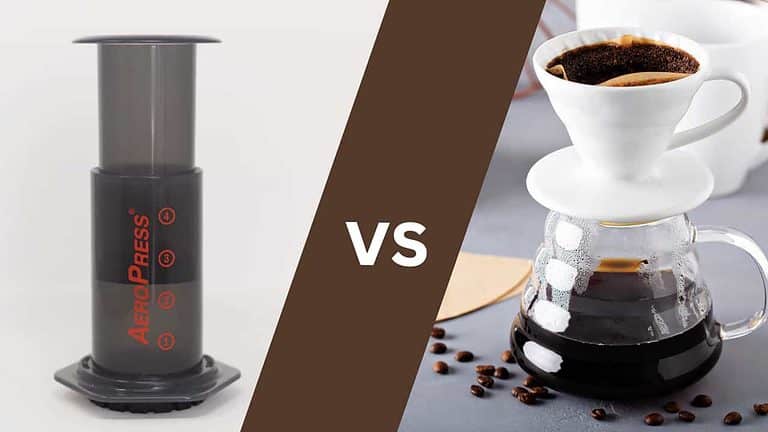
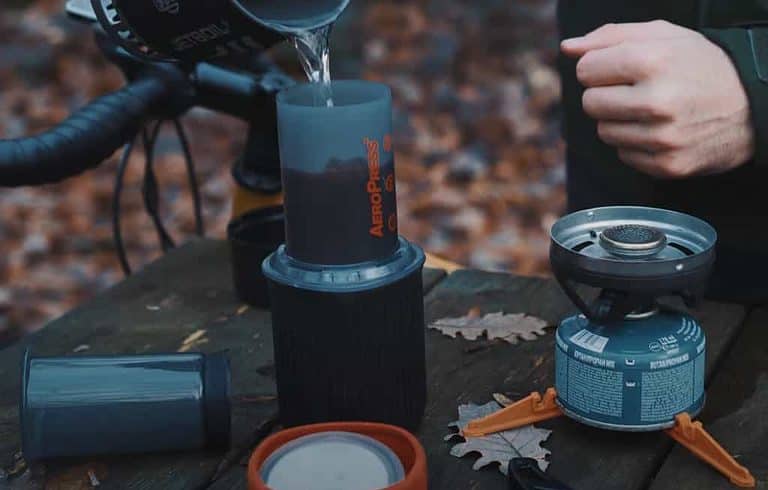
| AeroPress | Concentrate versus added water, immersion time | Make the concentrate more consistent before diluting |
Can coffee be both watery and bitter?
Yes. Brewing problems are not always neatly separated into sour, bitter and weak. Very uneven extraction can create both harsh notes and a thin overall body. Dark roasts and naturally more bitter beans can further complicate the picture. Our acidic versus bitter coffee guide explains why taste alone cannot pinpoint a single fault.
A three-cup troubleshooting experiment
- Cup A: Brew your usual recipe and record coffee dose, water weight, grind setting and time.
- Cup B: Repeat it with the same grind but a slightly stronger ratio, such as 1:15 instead of 1:16.
- Cup C: Return to the original ratio but grind one small step finer.
Compare all three at similar temperatures. The differences tell you whether dose or extraction changes move the cup closer to your preference. Keep tasting notes simple: strength, acidity, body and aftertaste are enough.
Bottom line
Don’t try to fix watery coffee by changing everything at once. Start with a consistent recipe and fresh ingredients, then experiment with ratio and grind separately. The goal is a repeatable cup you enjoy—not a prescribed brew strength that fits everyone.
Reference: National Coffee Association: drip brewing and watery-coffee troubleshooting. The example recipes above are adjustable starting points.