5 Reasons to Try Pour-Over Coffee
Why try pour-over coffee? It gives you direct control over the coffee-to-water ratio, grind size and pouring technique. The result is not automatically stronger or better than other methods, but it can be rewarding if you like experimenting with how a cup tastes.
Pour-over is a manual filter-brewing method: you pour hot water over ground coffee in a dripper and let it pass through a filter into a mug or carafe. You can start with a basic dripper and kettle before deciding whether extra equipment suits you.
This article explores the benefits and limitations of pour-over coffee so you can decide whether it suits your routine.
Five reasons to try pour-over coffee

1. Explore Different Coffee Flavors
Pour-over can highlight the bean’s fruit, floral or chocolate notes, especially when the grind and brewing time are well matched. Flavor depends on coffee origin, roast and extraction rather than the brewing method alone.
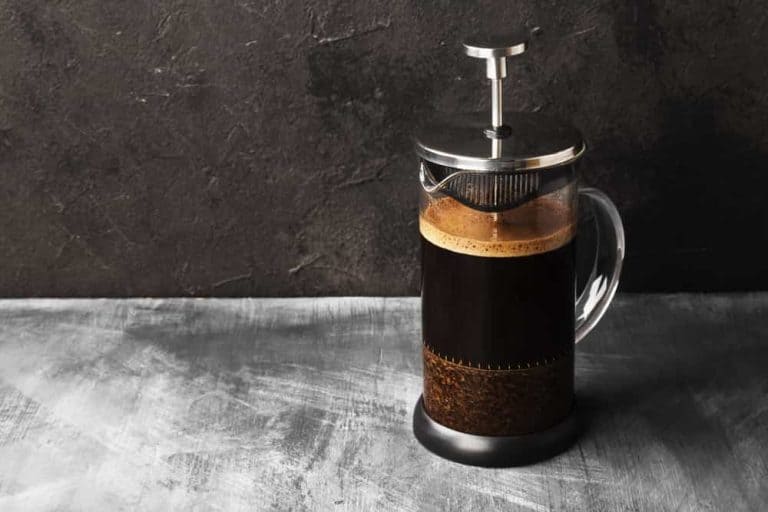
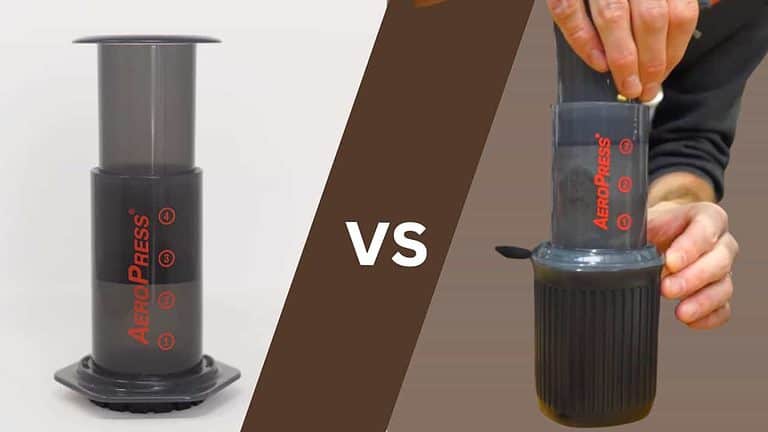
Paper filters retain many oils and fine particles, often yielding a clearer cup than an unfiltered French press. For a fuller texture, some drippers accept reusable filters. Our AeroPress vs. French press comparison explores related differences in cup character.
2. Choose a Paper or Reusable Filter
In addition to the flavor, the healthiness of your coffee is also an important consideration. Pour-over brewing works with paper, metal, or cloth filters, depending on the brewer. Paper filters typically produce a cleaner cup by trapping more coffee oils and fine particles, while reusable filters allow more oils through.
No brewing method automatically makes coffee healthier. The type of filter, ingredients added, and your own needs matter more than the name of the brewing method.
3. Adjust the Coffee-to-Water Ratio
Another great benefit of the pour-over method is that you have more control over the strength of your cup of coffee. With this method, you can easily adjust the amount of grounds and water used to get the exact strength that you desire.
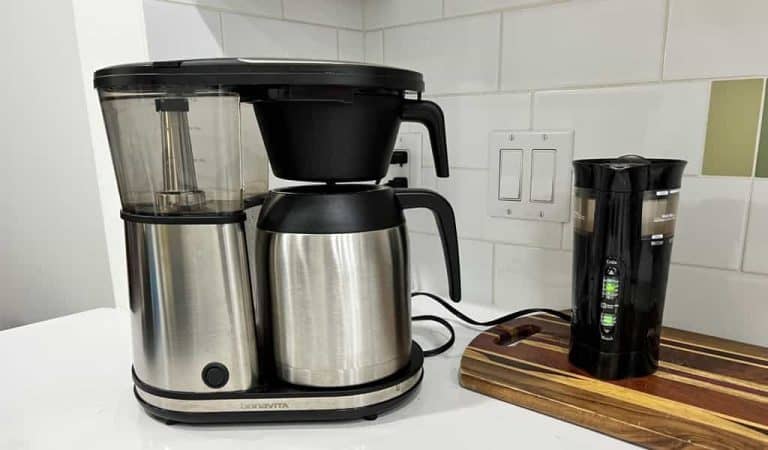
Many automatic drip coffee makers also let you adjust the dose and grind. Pour-over simply gives you hands-on control over the pour pattern and timing.
4. Consider Disposable-Filter Waste
Environmental impact is one reason to compare disposable and reusable filters.
Pour-over brewing can generate less equipment waste than single-use pod systems, but paper filters still create waste if you use them. A reusable metal or cloth filter can reduce disposable-filter waste, though it requires cleaning.
A manual pour-over dripper doesn’t need electricity itself, but heating the water still uses energy. The environmental impact depends on your kettle, filters, coffee, and how often you brew.
5. Start with Simple Brewing Equipment
You can start with a basic dripper, compatible filter, kettle, and coffee grounds. A scale helps with consistent dosing, but you do not need specialized accessories to learn the technique.
Budget for replacement filters if you use paper, and choose a dripper that fits the mug or carafe you already own. Compare costs across the whole setup rather than the dripper alone.
A gooseneck kettle can make a steady pour easier, while a consistent burr grinder can improve repeatability. Neither is a guarantee of better coffee; they are optional upgrades as you refine your routine.
Pour-Over Coffee Ratio and Temperature
For one mug, start with about 15 g of medium-ground coffee and 240 g of water (a 1:16 coffee-to-water ratio). For more detail, see our coffee-to-water ratio guide and grind-size guide. Aim for roughly 90–96°C (194–205°F) and around 2–4 minutes of total contact, then adjust to taste; our brewing-temperature guide explains why water temperature matters. These are starting points consistent with the National Coffee Association’s pour-over guide.
This approach is a starting point, not a universal best method. Read our pour-over coffee maker guide to compare equipment options.
Common Pour-Over Brewing Mistakes
Using an Inconsistent Grind
Very fine grounds can slow a pour-over drawdown and produce an overly bitter or drying cup; a grind that is too coarse may let water pass through quickly, leaving the coffee tasting thin or sour. Start at medium and change the grind in small increments. Our coffee grind-size guide explains what to look for.
Pouring All the Water at Once
Pour steadily enough to wet the bed evenly, without sending water down the sides of the filter. Many recipes start with a small amount of water to wet the grounds and release trapped gas before continuing with the main pour. Record the water amount and total time so you can repeat a brew you enjoy.
Changing Several Variables Together
When a cup tastes off, keep the beans and water weight the same while adjusting just one factor, such as grind size or total brew time. As a practical reference, the Specialty Coffee Association discusses a brewing ratio around 60 g of coffee per litre of water; your own preferred ratio may differ. Read the Specialty Coffee Association’s discussion of brewing ratios for more context.
Final Thoughts: Is Pour-Over Coffee Right for You?
Pour-over is a useful choice if you enjoy a hands-on brewing routine. If convenience matters more, an automatic drip machine may suit you better; the main goal is a cup you enjoy.
To explore equipment before buying, compare our pour-over coffee maker guide and gooseneck kettle comparison.
Start with a straightforward brew, taste it, and change one variable at a time. For equipment choices, our linked dripper and kettle comparisons can help.